
How a BCP Data Centre Can Support Business Continuity
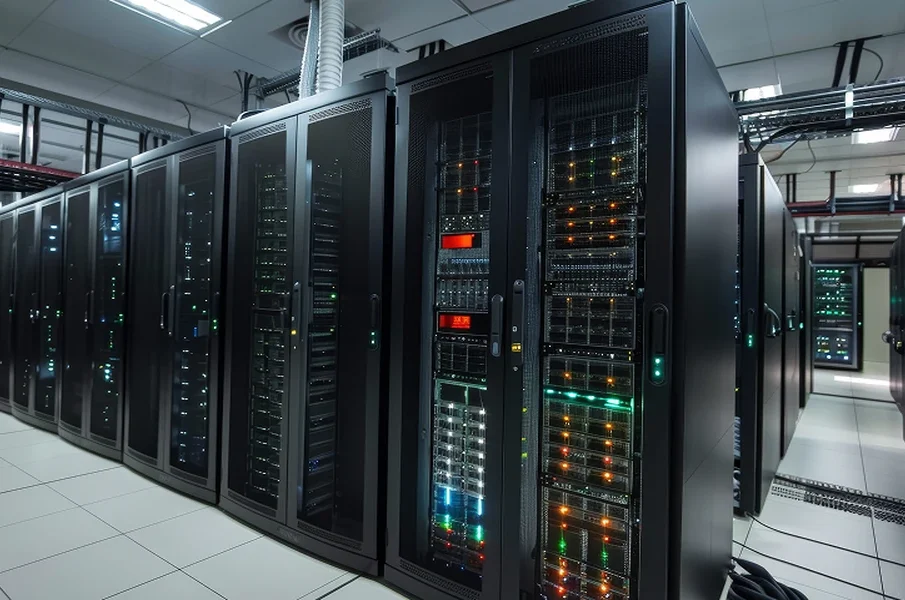
On Safeguarding Digital Operations
- A BCP data centre keeps mission-critical applications running smoothly during unforeseen power outages, equipment faults, or natural disasters.
- Selecting a data centre in Malaysia provides strategic regional advantages, including robust power supply, low natural hazard risks, and strong connectivity links.
- Modern business continuity infrastructure relies on redundant electrical systems, dual network feeds, and advanced physical security measures.
- Hybrid backup strategies combine dedicated physical infrastructure with cloud backups to deliver flexible and reliable failover options.
The Need for Uninterrupted Operational Resilience
Unexpected downtime can disrupt business operations within minutes. Whether triggered by power grid failures, severe weather events, or hardware breakdowns, sudden outages threaten revenue, client trust, and brand reputation. Because digital platforms now anchor daily work across almost every industry, organisations cannot rely solely on basic backup drives or local office servers.
Establishing a resilient operational foundation requires dedicated facilities designed specifically to handle unexpected disturbances. A robust business continuity plan ensures that critical systems remain accessible, no matter what happens outside. By housing primary infrastructure or secondary backups in a facility built for resilience, businesses can maintain stability during severe disruptions and resume normal activities with minimal delay.
What Is a BCP Data Centre and Why Do You Need One?
A BCP data centre is a specialised facility engineered to protect computing infrastructure and maintain seamless operations during disruptions. Unlike standard facilities that focus primarily on housing hardware, these sites feature secondary power sources, mirrored data storage, and emergency workspaces. When primary systems fail, traffic automatically shifts to the backup location, minimising downtime and avoiding data corruption.
Having a dedicated backup location gives leadership teams peace of mind. Instead of struggling to recover lost files or manually restarting servers during a crisis, staff can count on automated failover protocols. This setup preserves core functions, protects sensitive customer records, and keeps internal communications active. Ultimately, investing in a BCP data centre converts potential operational crises into manageable, short-lived events.
How Does a Data Centre in Malaysia Support Regional Risk Management?
Southeast Asia continues to experience rapid digital growth, making geographic placement an essential factor for infrastructure planning. Establishing operations at a data centre in Malaysia offers significant geographical advantages. The country benefits from a stable geological profile with minimal exposure to severe earthquakes or volcanic activity, alongside well-developed utility networks and extensive subsea cable connections across Asia.
Choosing a data centre allows local and international enterprises to build redundant hubs close to major Asian markets while benefiting from competitive operating costs. Strong government support for digital infrastructure further enhances regional network stability. When regional disruptions occur elsewhere, facilities in Malaysia remain secure reference points, offering reliable processing power and uninterrupted data flow for growing regional enterprises.
What Features Should You Look for in a Backup Data Centre?
Selecting the right facility requires evaluating technical standards and physical security features. High-grade facilities maintain strict operational standards to protect hardware against power surges, overheating, and unauthorised access.
Key technical requirements include:
- Redundant Power Architecture: Dual utility feeds paired with uninterruptible power supply (UPS) systems and onsite diesel generators to guarantee continuous electricity.
- Advanced Environmental Control: Precision cooling units that manage temperature and humidity levels, preventing equipment overheating and prolonging hardware lifespan.
- Multi-Layered Security: Biometric access points, round-the-clock video monitoring, and physical perimeter security to safeguard sensitive equipment.
- Carrier-Neutral Connectivity: Diverse fibre routes from multiple telecommunications providers, ensuring high network availability and low-latency connections.
Evaluating these core features ensures that your secondary site remains ready to take over operational loads immediately whenever main systems encounter unexpected issues.
How Do Backup Facilities Integrate With Modern Cloud Strategies?
Many modern enterprises adopt hybrid models that blend private infrastructure with public cloud environments. A dedicated BCP data centre serves as a stable anchor within these hybrid architectures. While cloud platforms handle variable workloads, physical secondary sites retain full control over sensitive databases, proprietary software, and regulatory compliance records.
Integrating physical backup sites with cloud environments creates layered redundancy. If a primary cloud provider suffers a regional outage or network throttle, systems can quickly re-route requests through the physical backup hub. This balanced setup delivers operational flexibility without compromising security or regulatory obligations, giving organisations complete authority over critical digital assets.
Securing Your Digital Future Without Interruption
Building operational resilience requires thoughtful planning, reliable infrastructure, and strong partners. A well-designed continuity framework ensures that your organisation stays active and responsive through any unexpected challenge.
Reach out to us at K2 Strategic to explore how our state-of-the-art facilities and tailored data solutions can protect your digital operations and support your long-term growth.