Smart Seas: How Digitalization is Transforming Modern Ship Management
Introduction: Navigating the Digital Wave in Ship Management
The maritime industry is undergoing a profound transformation. Once dominated by manual processes and paper logs, modern ship management has evolved into a data-driven, automated ecosystem. The rise of digitalization in ship management—often referred to as the “Smart Seas” revolution—is redefining how ships are operated, maintained, and monitored. This shift is not only enhancing efficiency and safety but also driving sustainability in one of the world’s oldest and most vital industries.
The Rise of Digitalization in the Maritime Industry
For centuries, maritime operations relied on experience, intuition, and manual oversight. Today, digitalization in shipping has changed that narrative entirely. With the integration of Internet of Things (IoT), Artificial Intelligence (AI), and real-time analytics, ship managers can make data-backed decisions that were once impossible.
Modern vessels are equipped with hundreds of sensors that constantly collect information about engine performance, fuel consumption, cargo conditions, and weather patterns. This data is transmitted to shore-based control centers, where it’s analyzed to improve operational efficiency and safety. The concept of smart ships—self-monitoring, self-reporting, and potentially autonomous—represents the next frontier of this transformation.
Core Technologies Driving Smart Ship Management
1. Internet of Things (IoT)
IoT enables seamless connectivity between shipboard systems and onshore teams. From predictive maintenance alerts to cargo temperature monitoring, IoT ensures that every component of the vessel communicates effectively.
2. Artificial Intelligence (AI) and Machine Learning (ML)
AI-powered analytics allow managers to forecast machinery failures, optimize fuel routes, and enhance crew safety. Machine learning algorithms process historical voyage data to recommend more efficient sailing patterns and maintenance schedules.
3. Big Data and Cloud Computing
Massive volumes of maritime data are now stored in the cloud, allowing for scalable, real-time access. This makes ship management more collaborative, transparent, and responsive.
4. Digital Twins
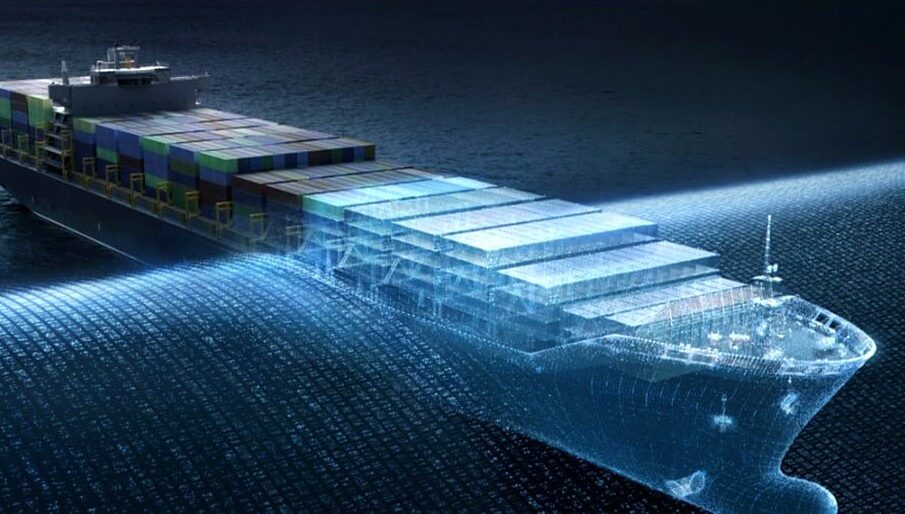
A digital twin is a virtual replica of a ship that mirrors its real-time condition. Ship operators can simulate various scenarios—such as weather impacts or mechanical failures—before they occur, drastically reducing downtime and maintenance costs.
Enhancing Efficiency Through Smart Operations
Digitalization streamlines every aspect of ship management. Real-time monitoring reduces the need for manual inspections, while automated reporting systems minimize human error. Route optimization tools use live weather and sea data to determine the most fuel-efficient path, cutting both operational costs and emissions.
Furthermore, predictive maintenance systems can detect anomalies long before they lead to equipment failure, ensuring smoother voyages and extended asset lifespans. This level of precision not only reduces downtime but also boosts profitability and reliability across fleets.
Safety and Compliance in the Digital Era
Safety has always been the cornerstone of maritime operations. With digitalization, ship management has reached new levels of proactive risk mitigation.
Automated compliance checks ensure that ships adhere to International Maritime Organization (IMO) regulations and environmental standards. AI-based surveillance systems can detect crew fatigue, unsafe behavior, or equipment malfunctions in real-time. Digital recordkeeping also improves traceability during audits and inspections.
The shift toward cybersecurity is equally vital. As ships become more connected, protecting onboard networks from cyber threats has become an integral part of smart ship management strategies.
Sustainability and the Green Shipping Revolution
Environmental sustainability is now a defining goal in modern ship management. Digital tools help ship operators measure and reduce their carbon footprint through efficient fuel usage and route optimization.
For instance, AI-driven energy management systems monitor CO₂ emissions and suggest operational adjustments in real-time. Digitalization also supports the transition toward alternative fuels such as LNG, hydrogen, and ammonia by providing better performance tracking and system integration.
Ultimately, smart technologies are aligning the maritime sector with global climate targets and paving the way for eco-friendly shipping operations.
Human Element in the Digital Age
Despite the growing automation, people remain at the heart of ship management. The role of seafarers and shore-based managers is evolving rather than disappearing.
Modern crew members now require digital literacy, as they interact daily with software systems, smart sensors, and data dashboards. Continuous training and upskilling programs ensure that maritime professionals can effectively operate in an increasingly digital ecosystem.
The Future of Smart Ship Management
The future of digital ship management lies in greater autonomy and integration. As AI, robotics, and satellite connectivity continue to advance, autonomous vessels could soon navigate the seas with minimal human intervention.
Blockchain technology may further enhance supply chain transparency and documentation accuracy, reducing fraud and administrative burdens. In the next decade, ship management companies that embrace full-scale digitalization will lead the global maritime transformation—setting new standards for efficiency, safety, and sustainability.
FAQs
Q1: What is digitalization in ship management?
Digitalization in ship management refers to the integration of smart technologies like IoT, AI, and big data analytics to automate and optimize vessel operations.
Q2: How does digitalization improve ship safety?
By enabling real-time monitoring, predictive maintenance, and automated compliance checks, digitalization minimizes risks and enhances onboard safety.
Q3: What are the benefits of smart ship management?
It improves efficiency, reduces operational costs, enhances sustainability, and supports better decision-making through data-driven insights.
Q4: Are autonomous ships the future of maritime transport?
Yes, autonomous and semi-autonomous ships are expected to play a major role in the coming decades, driven by advancements in AI and connectivity.
Final Words: Embracing the Smart Seas Era
Digitalization is more than a technological trend—it’s a strategic necessity for the maritime industry. As smart ship management continues to evolve, it promises safer, greener, and more efficient global shipping operations.
By embracing the power of data, automation, and connectivity, the industry is setting sail toward a smarter, more sustainable future—one where the seas are not just navigated but intelligently managed.