
What a Photography Course in Singapore Actually Covers
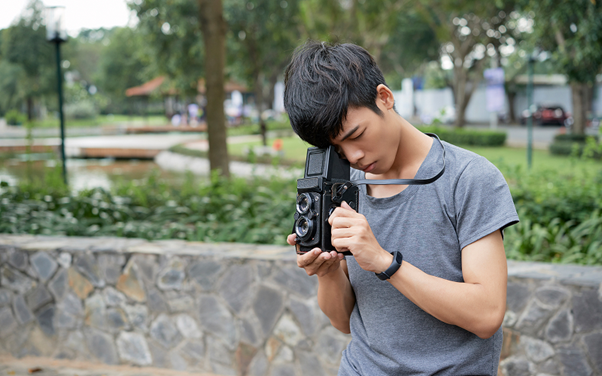
The demand for structured photography education in Singapore continues to grow, not only among aspiring professionals but also among enthusiasts looking to advance their talents. Whether you’re holding a DSLR or simply using a smartphone, the available programmes have become increasingly tailored to different needs.
Discover what’s actually taught in a photography course in Singapore, focusing on both general photography and the more accessible mobile photography program.
Understanding the Basics
Every credible photography course for beginners begins by grounding students in the fundamentals of exposure, specifically the interplay between shutter speed, aperture, and ISO. These core technical concepts help photographers understand how light interacts with the sensor and how different settings affect the final image. This foundational knowledge applies to both DSLR and smartphone cameras.
Beyond exposure, composition is heavily emphasised. Most instructors introduce the rule of thirds, leading lines, and framing techniques that make images more compelling. Proper use of natural or artificial light is also covered early, as it significantly influences the visual quality of any shot. These basics form the backbone of any photography course, regardless of whether it is taught in a studio or in the field.
Camera-Specific Training and Technical Skills
Participants are often encouraged to bring their own devices to ensure that what they learn is immediately applicable. The curriculum for those enrolled in a mobile photography course focuses on getting the most out of smartphone capabilities. Topics include lens selection (wide, ultra-wide, telephoto), manual controls via third-party apps, and managing focus and exposure manually.
Conversely, those using DSLR or mirrorless cameras will delve into lens types, sensor sizes, shooting in RAW vs JPEG, and working with different metering modes. These sessions are often hands-on, involving practical exercises such as portraiture, landscape photography, and indoor low-light shooting.
Courses may also touch on image stabilisation methods, both optical and digital, and explain how to avoid common pitfalls like motion blur and noise. This technical fluency is essential, particularly for students who plan to advance into specialised fields.
Post-Production and Editing Essentials
Photography does not end with clicking the shutter. Editing is an integral part of the course syllabus. A comprehensive photography course typically includes training in post-production tools such as Adobe Lightroom and Photoshop, or mobile-based apps like Snapseed for those in a mobile photography course in Singapore.
Students learn how to adjust exposure, contrast, colour balance, and sharpness, as well as how to crop and straighten their images. They are also introduced to non-destructive editing workflows and basic colour grading techniques that help maintain image integrity. Similarly, for mobile users, there’s a growing emphasis on achieving professional-quality edits directly from a phone, an increasingly relevant skill given today’s mobile content creation demands.
Genre Exposure
One of the strengths of a formal photography course is the structured exposure to multiple photography genres. Beginners are given the opportunity to try various styles such as portraiture, street photography, product shoots, and even architecture. Each genre comes with its own set of challenges and required techniques, and the courses are designed to help students build a versatile skill set.
However, in the mobile course variant, there’s often a focus on lifestyle and social media photography, given the practical use cases for most learners. Course instructors provide situational shooting tips, such as how to deal with crowded environments, moving subjects, or harsh lighting—common issues faced during everyday mobile shooting.
Practical Assignments and Portfolio Development
Assignments are a staple in both beginner-level and advanced classes. These exercises reinforce theoretical learning through application. Participants may be tasked with weekly photo challenges, thematic shoots, or even collaborative projects. The best photography course for beginners includes portfolio reviews where instructors provide targeted feedback on strengths and areas for improvement.
Since students accumulate a body of work, they’re encouraged to build a portfolio that can be used either for personal milestones or to pursue freelance opportunities. Some providers even offer industry exposure or certificates of completion that are recognised by local creative networks.
Conclusion
A structured photography course offers far more than a casual overview of camera functions. From theory to practice, students learn how to make thoughtful decisions when photographing and editing photos. Whether through a traditional or mobile photography course, these programmes equip learners with the technical, creative, and practical skills necessary to develop a photographic eye.
Visit OOm Institute and let us help you turn your passion for photography into a technical skillset.