Pressure Tank Safety Considerations in Automated Fluid Dispensing Systems
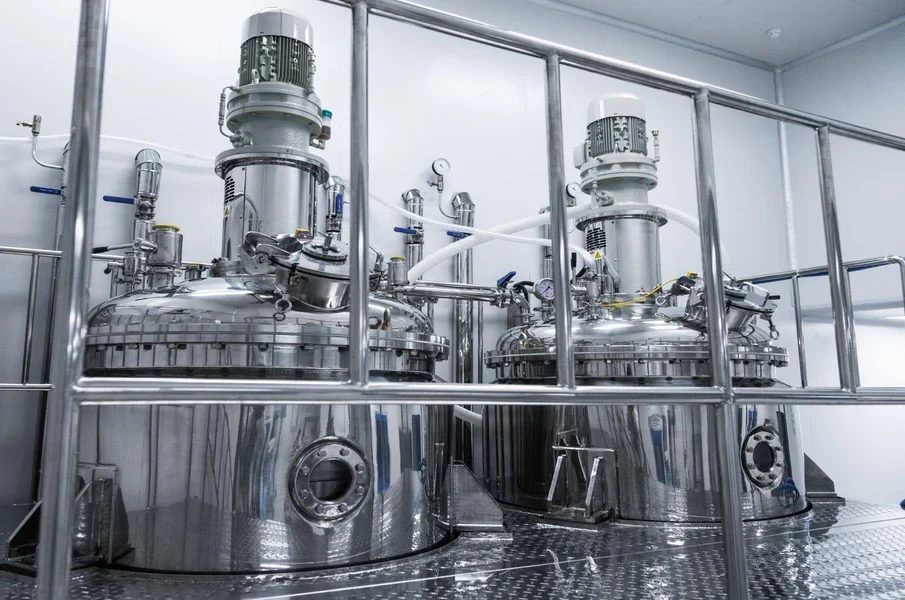
An automated fluid dispensing system relies on a pressure tank to maintain consistent flow, but that same pressure introduces specific safety considerations that need deliberate attention rather than assumption. Overlooking these details can lead to equipment failure, inconsistent dispensing, or genuine safety hazards on the production floor.
Rated Pressure and Operating Margins
Every pressure tank has a maximum rated pressure, and operating too close to that limit removes the margin needed to absorb normal fluctuations.
- Confirming the tank’s rated pressure against the system’s actual maximum operating pressure, not just its typical setting.
- Maintaining a consistent safety margin below the rated limit to account for pressure spikes during operation.
- Accounting for pressure changes caused by ambient temperature swings, which can shift readings over the course of a day.
- Checking that pressure relief valves are set correctly and tested regularly, rather than assumed to be functioning.
- Reviewing whether the tank’s rating still matches current use if the system’s output requirements have changed over time.
- Documenting the tank’s original certification and any subsequent re-rating, so operators can verify current limits quickly.
Material Compatibility With the Dispensed Fluid
The tank and its internal components need to withstand prolonged contact with the specific fluid being dispensed.
- Verifying that seals, gaskets, and internal coatings are rated for the fluid’s chemical properties, not just its general category.
- Checking for signs of corrosion or material degradation during routine inspections, particularly with corrosive or abrasive fluids.
- Confirming that temperature ranges for both the fluid and the environment fall within the tank’s rated tolerances.
- Reviewing material compatibility again whenever the dispensed fluid formulation changes, even slightly.
Integration With Dispense Valves
The pressure tank and the dispense valves it feeds need to work together consistently, since mismatched components affect both safety and accuracy.
- Confirming that valve pressure ratings align with the tank’s operating range, rather than assuming compatibility.
- Checking that valve response times suit the system’s cycle speed, avoiding pressure buildup from delayed closures.
- Inspecting valve seals and seats regularly, since wear here can lead to pressure loss or inconsistent dispensing.
- Testing shutoff behaviour under both normal and emergency stop conditions.
- Confirming valve materials are also compatible with the dispensed fluid, not just the tank itself.
Monitoring and Alarm Systems
Continuous monitoring catches developing issues before they become failures, particularly in unattended automated systems.
- Installing pressure gauges and sensors at points where operators can easily verify readings during routine checks.
- Setting alarm thresholds that trigger well before pressure reaches a genuinely unsafe level.
- Establishing a clear response protocol for when an alarm triggers, rather than leaving it to individual judgement in the moment.
- Logging alarm history over time to identify recurring issues rather than treating each trigger as isolated.
Maintenance and Inspection Routines
Regular maintenance catches gradual wear before it becomes a safety issue, particularly in systems that run continuously.
- Scheduling inspections at intervals appropriate to the system’s duty cycle, rather than a generic calendar-based schedule.
- Documenting inspection findings consistently, so gradual changes in performance are easier to spot over time.
- Training operators to recognise early warning signs, such as unusual noise, vibration, or pressure fluctuation.
- Keeping a maintenance log accessible to all shifts, so patterns aren’t missed simply due to staff rotation.
Building Safety Into the System From the Start
Pressure tank safety in an automated dispensing system comes down to matching the tank, valves, and monitoring setup to the system’s actual operating conditions, not just meeting a general specification. Reviewing these considerations at the design stage, rather than after an issue appears, tends to prevent the most serious failures before they happen.
Ready to plan your next dispensing line upgrade? Reach out to Unicontrols today.